
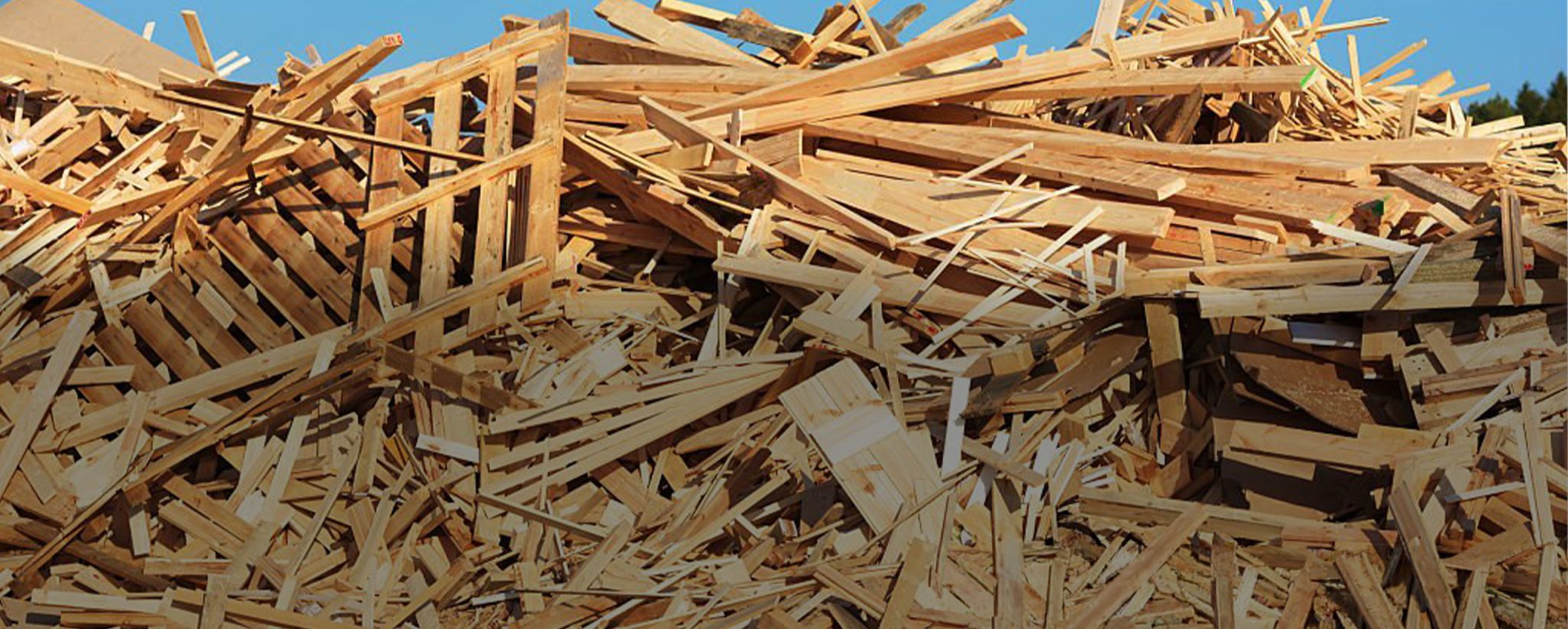
Waste wood recycling
Why waste wood recycling requires engineered preparation
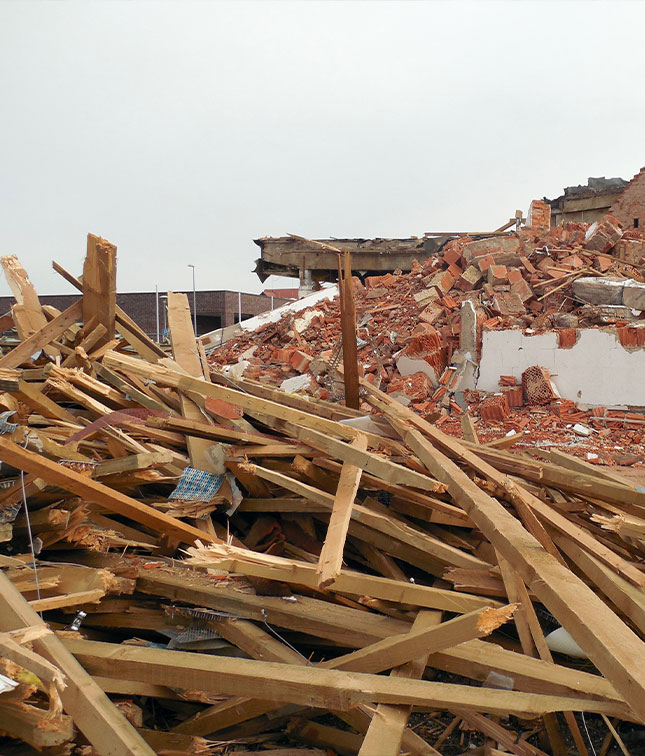
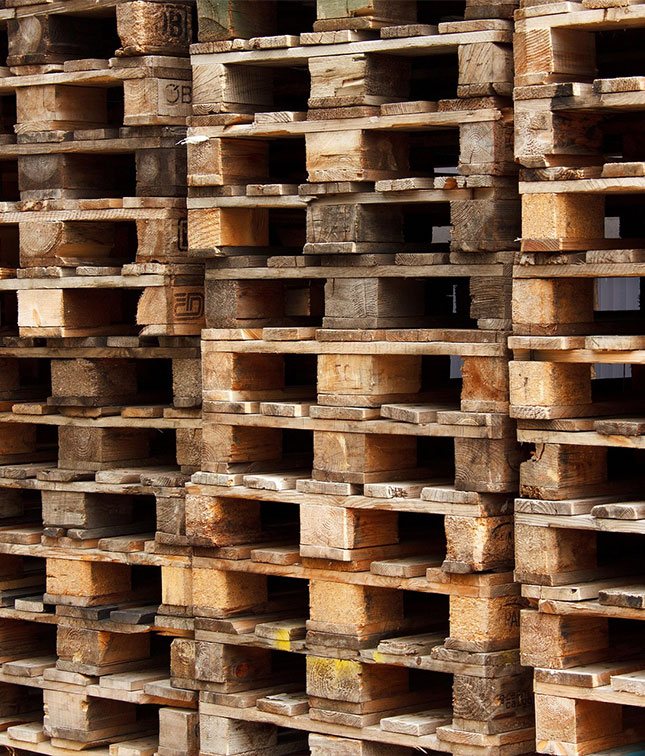
Recovering waste wood has become one of the most important challenges for modern panel manufacturers. From used pallets and demolition timber to sawmill residues and industrial offcuts, every material presents different characteristics that require carefully engineered preparation before it can be transformed into valuable raw material.
Globus develops complete wood preparation solutions that help manufacturers maximize material recovery, improve production efficiency, and prepare recycled wood for demanding industrial applications.
Unlike virgin timber, recycled wood is highly heterogeneous. Different wood species, dimensions, densities, moisture levels, and contaminants make every production scenario unique.
Construction timber, pallets, packaging waste, furniture, and sawmill residues all require different preparation strategies to achieve consistent downstream performance.
For this reason, successful recycling begins long before size reduction—it starts with understanding the characteristics of the incoming material and selecting the most appropriate preparation technologies.
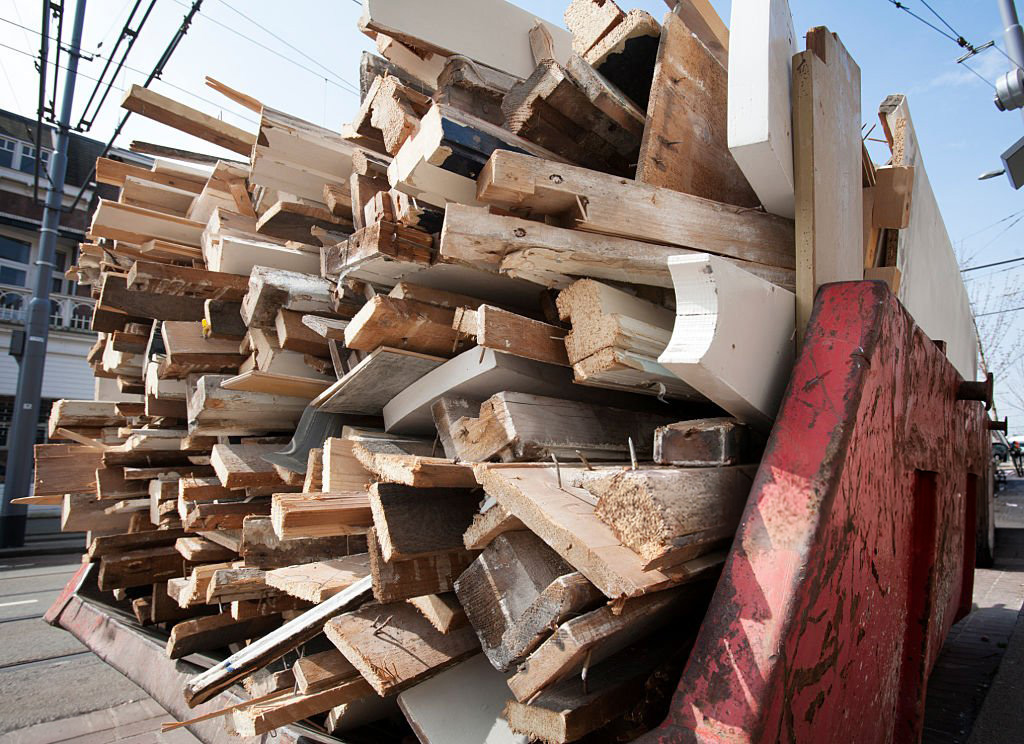
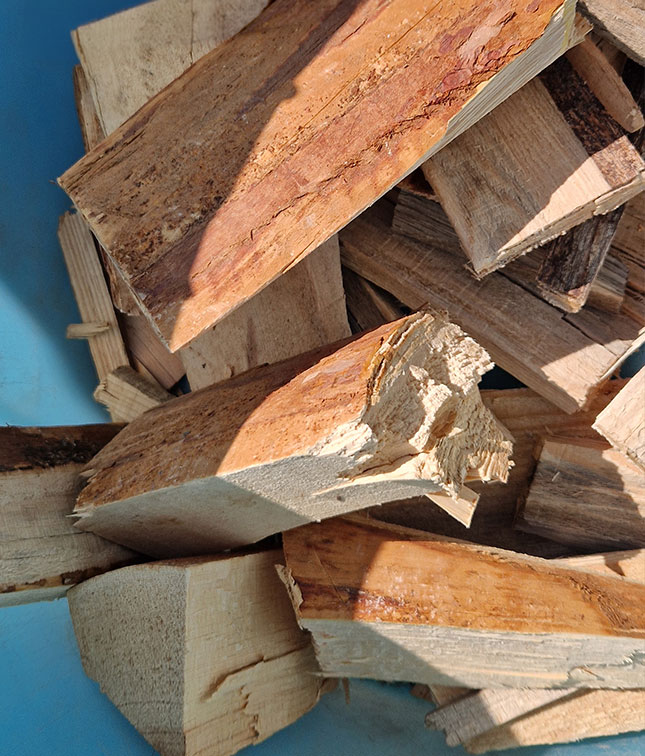
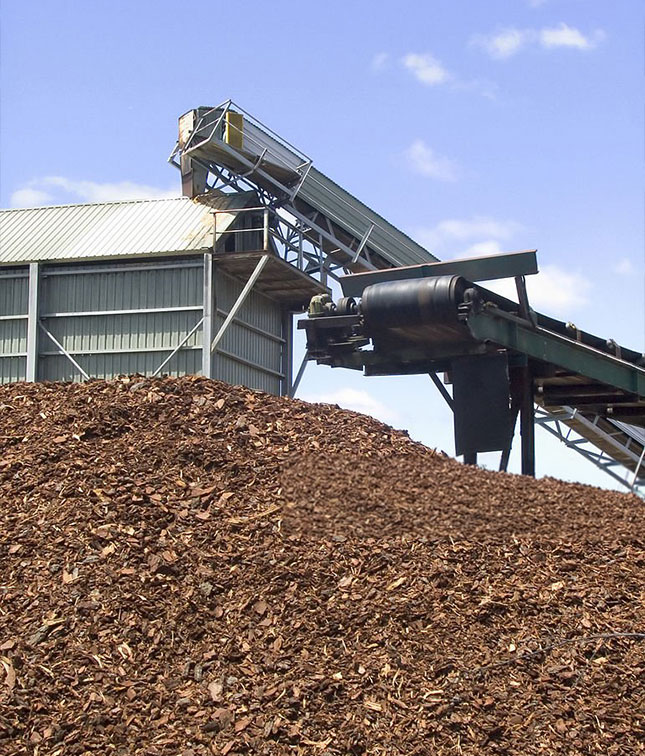
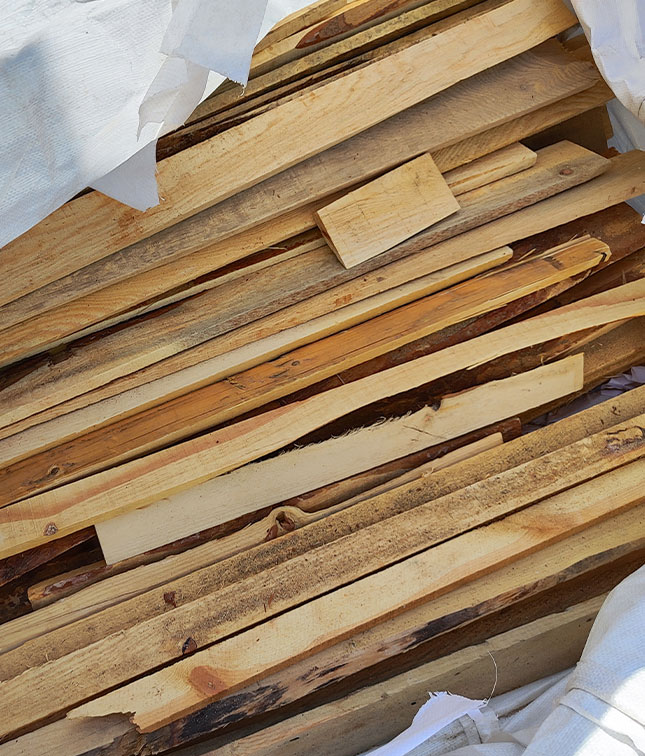
Which waste wood materials can be processed?


Higher material recovery
Recover more valuable wood from heterogeneous waste streams while minimizing losses
Stable particle quality
Produce chips, flakes, strands, and refined particles with consistent geometry for downstream processing
Lower operating costs
Reduce wear, maintenance requirements, and unnecessary energy consumption through optimized preparation
Flexible processing
Adapt the production process to different raw materials without compromising final product quality
Complete equipment for every processing stage
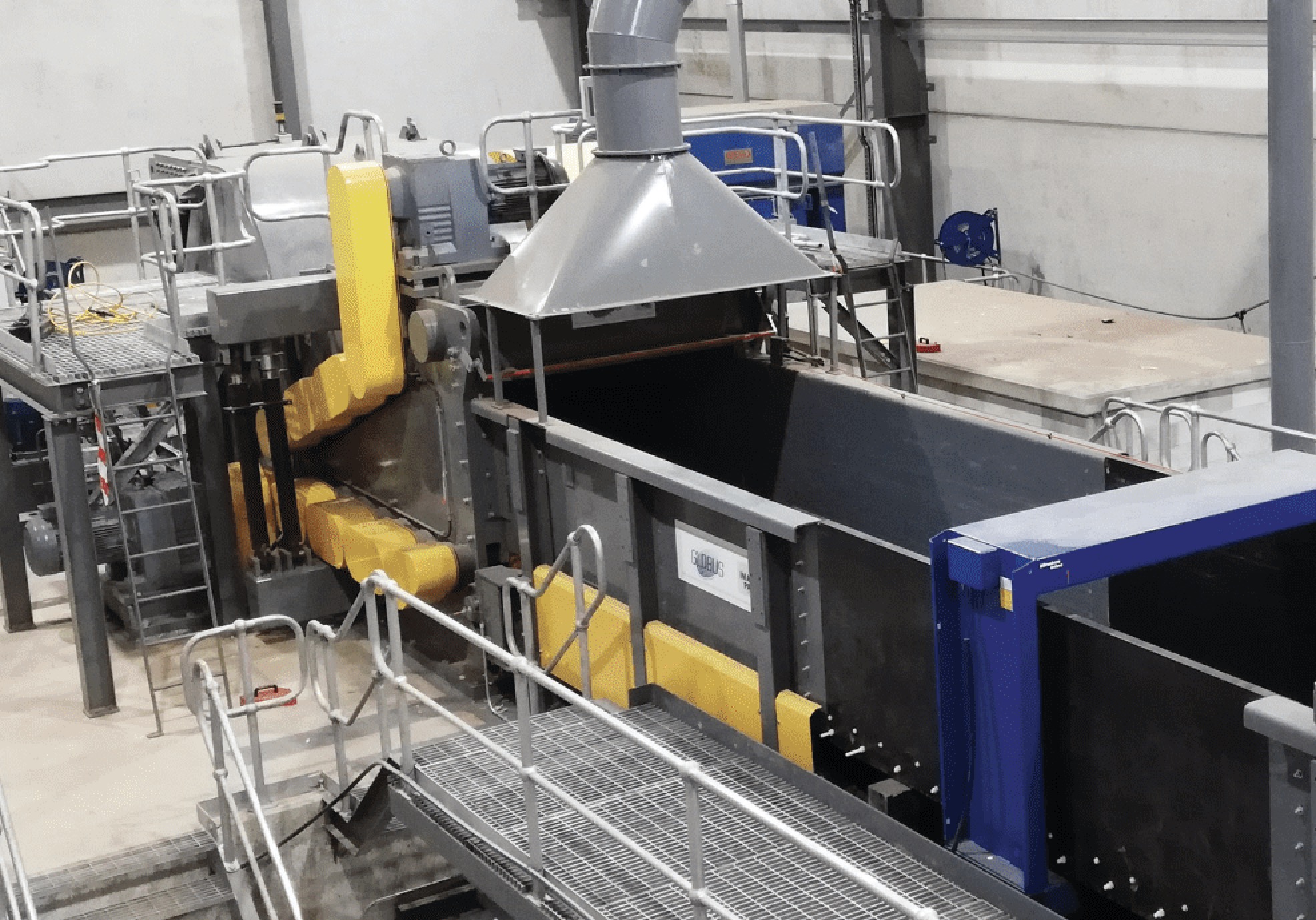
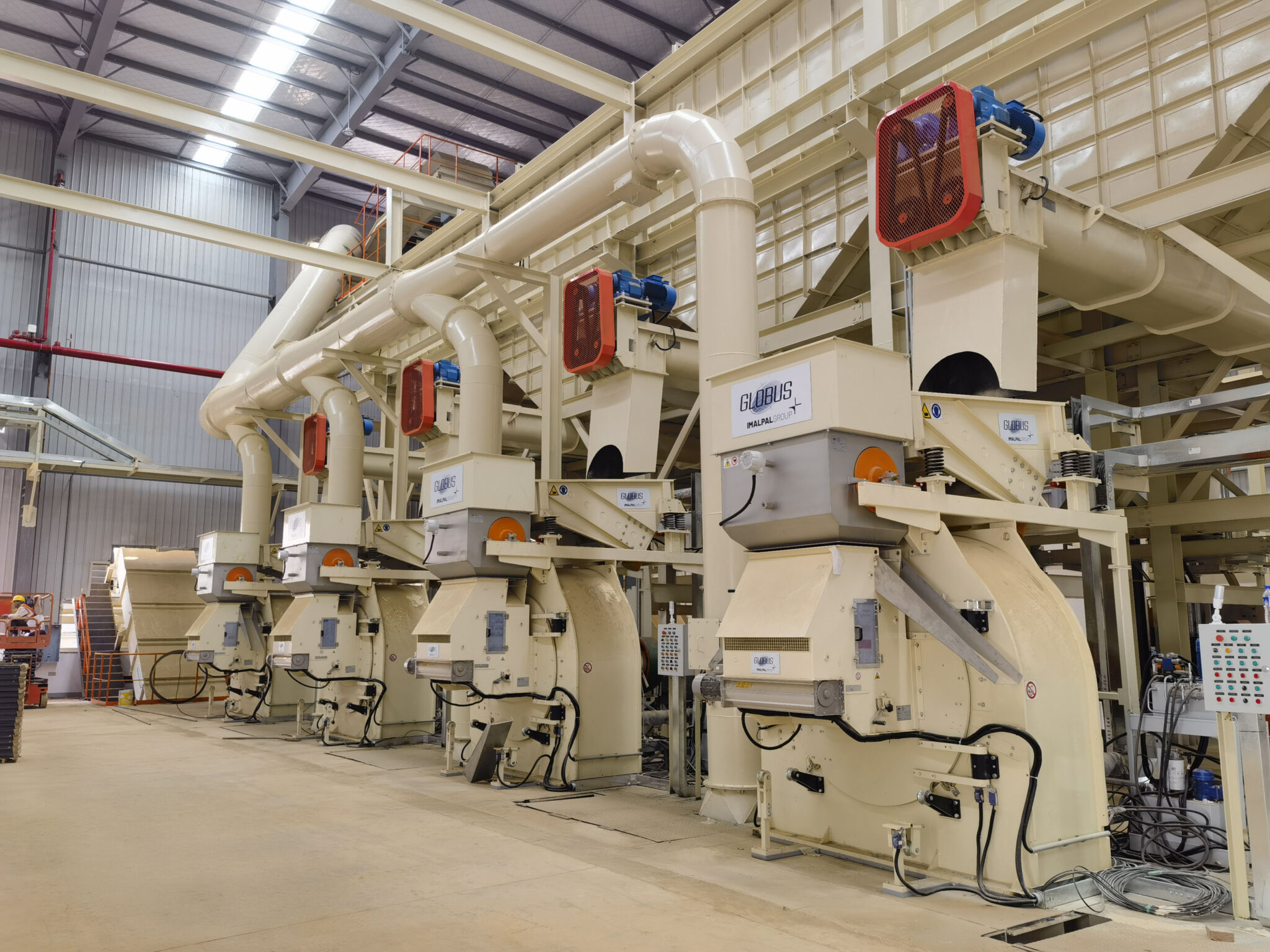
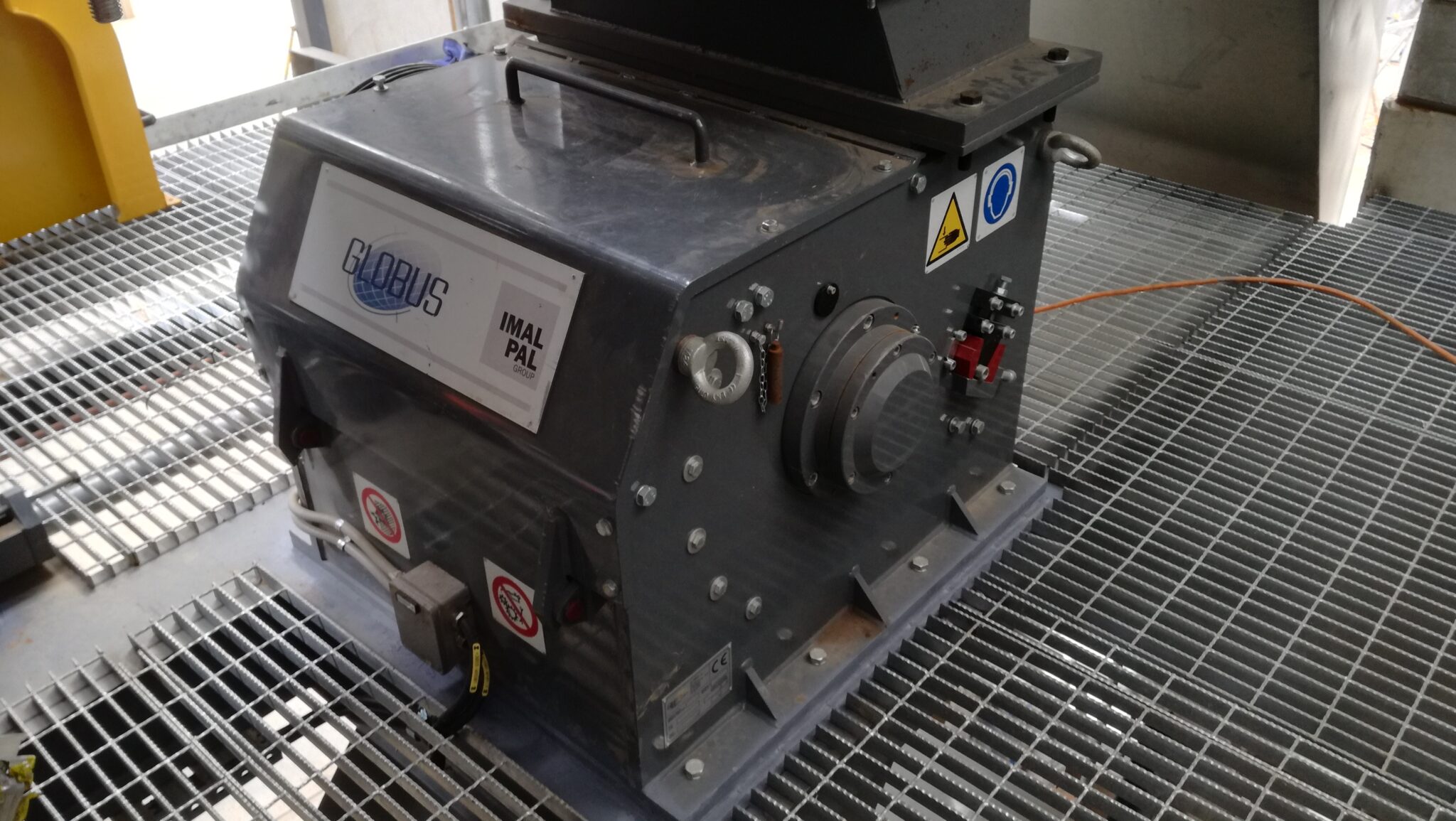
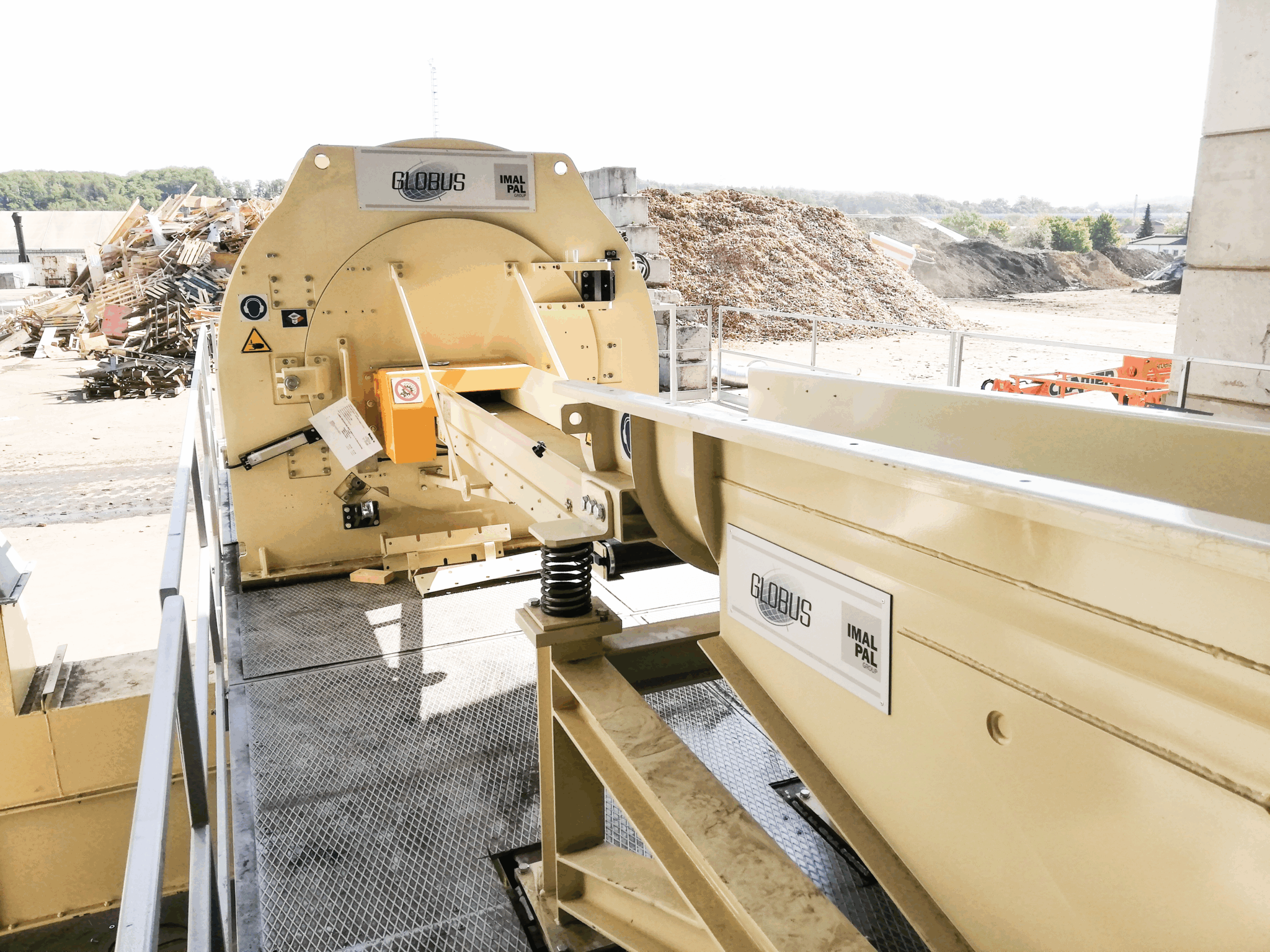
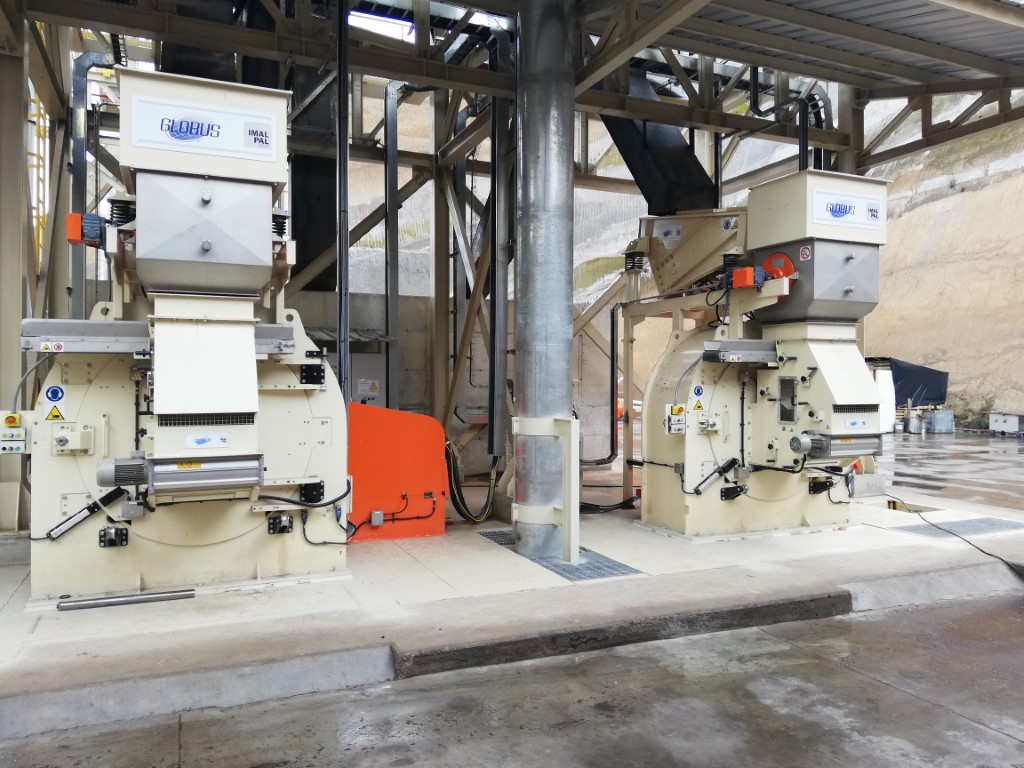
Test your own waste wood before choosing the right solution
No two waste wood streams are the same. Material composition, contamination levels, moisture content, and particle requirements can significantly influence the preparation process.
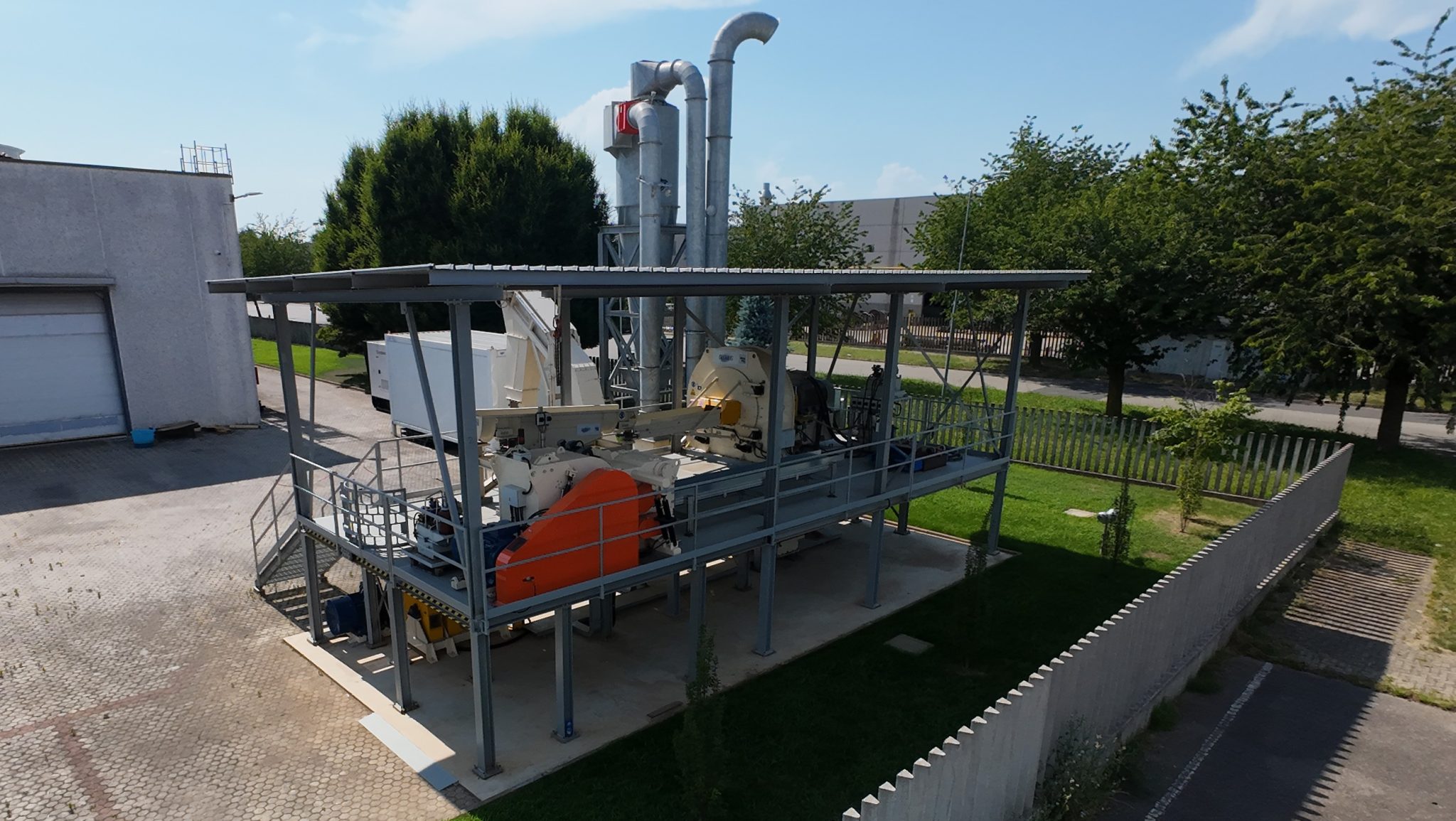
Through the Test Centre, customers can process their own raw materials under real operating conditions, compare different machine configurations, and receive detailed laboratory analyses and engineering reports.
This approach allows manufacturers to validate performance, optimize plant configuration, and make investment decisions based on measurable technical results rather than assumptions.
Write us a message
Do you want to request specific information? Fill out the form below and we will contact you.